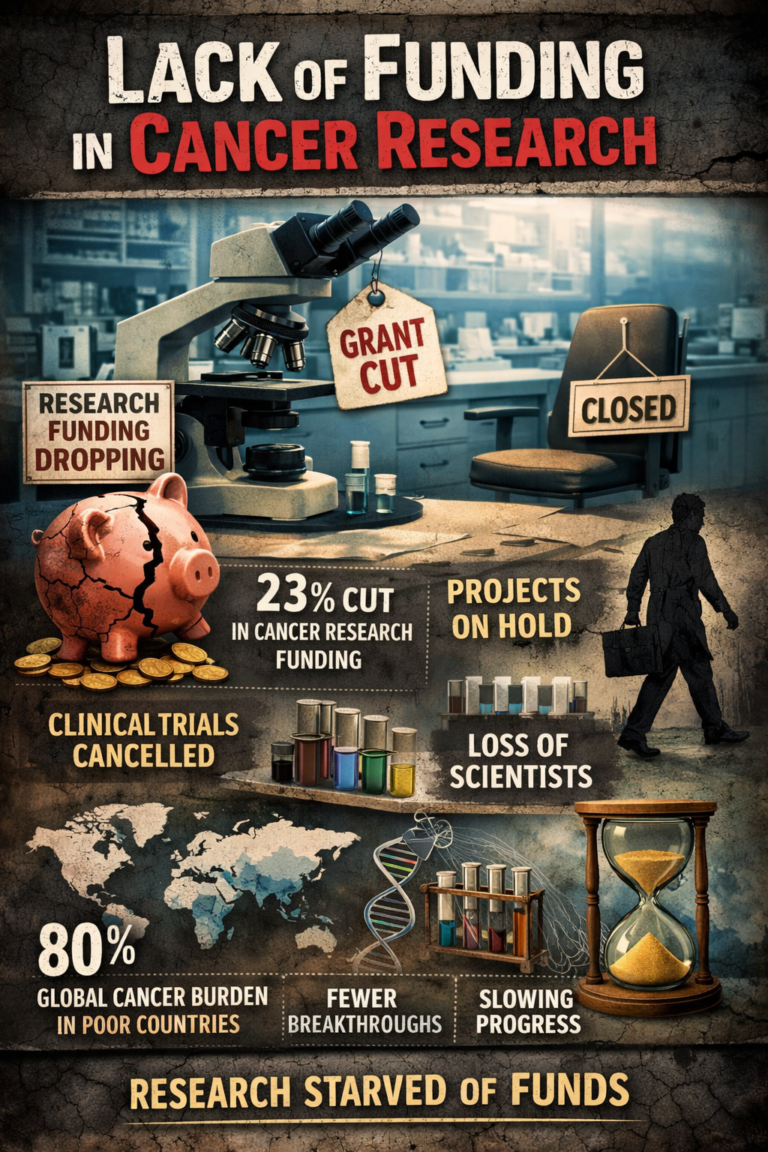
The Growing Crisis: Lack of Funding in Cancer Research

Cancer remains one of the most devastating diseases worldwide, responsible for millions of deaths each year and affecting nearly every family in some way. Despite decades of progress and billions of dollars invested, the fight against cancer is far from over. One of the most pressing challenges facing the scientific and medical community today is not a lack of ideas, talent, or technology—but a lack of consistent and sufficient funding. The Scale of the Problem Globally, cancer is a leading cause of death, with more than 19.3 million new cases and 10 million deaths recorded in 2020 alone (). These...Read More

“No Kings Day”: A Deep Dive into an Enduring Idea of Freedom

The phrase “No Kings Day” isn’t a widely recognized official holiday, but it captures a powerful and recurring idea in political history: the rejection of absolute rule and the belief that no single individual should wield unchecked power. Rooted deeply in the founding ideals of the United States and echoed in democratic movements worldwide, “No Kings Day” can be understood as a symbolic celebration of liberty, self-governance, and resistance to tyranny. Origins: The Rejection of Monarchy To understand “No Kings Day,” you have to go back to the 18th century and the events leading up to the American Revolution. The...Read More

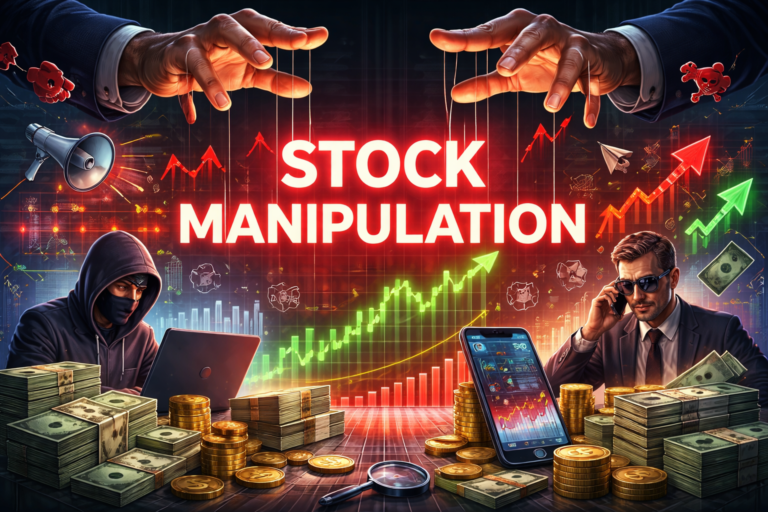
Stock Manipulation: How It Works, Why It Matters, and Real-World Consequences

Stock markets are designed to reflect the true value of companies based on supply and demand. However, throughout history, individuals and institutions have attempted to distort that process for profit—a practice known as stock manipulation. While regulations have evolved to curb these behaviors, manipulation still occurs in both obvious and subtle forms. What Is Stock Manipulation? Stock manipulation refers to intentional actions taken to artificially influence the price or trading volume of a security. These actions create a misleading impression of a stock’s value, often luring unsuspecting investors into buying or selling at unfair prices. In the United States, stock...Read More

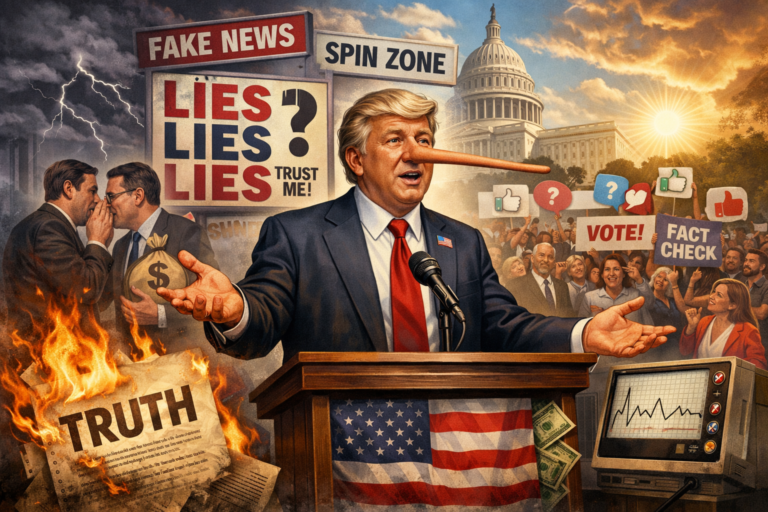
Politicians and the Truth: Why Lying Happens—and Why It Matters

The idea that “politicians lie” is deeply embedded in public perception. But the reality is more complex. Political communication exists in a space shaped by incentives, media dynamics, voter expectations, and human psychology. While evidence shows that misleading or false statements are common in politics, it also reveals important differences in scale, context, and impact. How Common Is Lying in Politics? Empirical research confirms that false or misleading statements are not rare. A study analyzing 2,459 claims from 444 U.S. politicians found that inaccurate or false statements occur regularly across political discourse. Data from fact-checking organizations shows that virtually all...Read More

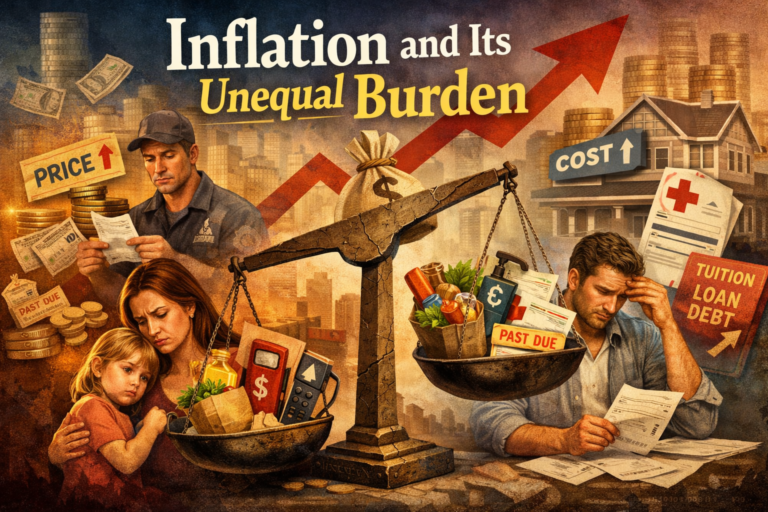
Inflation and Its Unequal Burden

Inflation and Its Unequal Burden: How Rising Prices Impact the Lower and Middle Class Inflation—the steady increase in the price of goods and services—affects everyone. But it does not affect everyone equally. While wealthier households often have financial cushions, investments, and assets that can offset rising costs, lower- and middle-income Americans tend to feel inflation more immediately and more severely. In recent years, even as headline inflation rates have moderated, the economic reality for millions of households remains strained. What Inflation Really Means At its core, inflation erodes purchasing power. When prices rise faster than wages, people can afford less...Read More