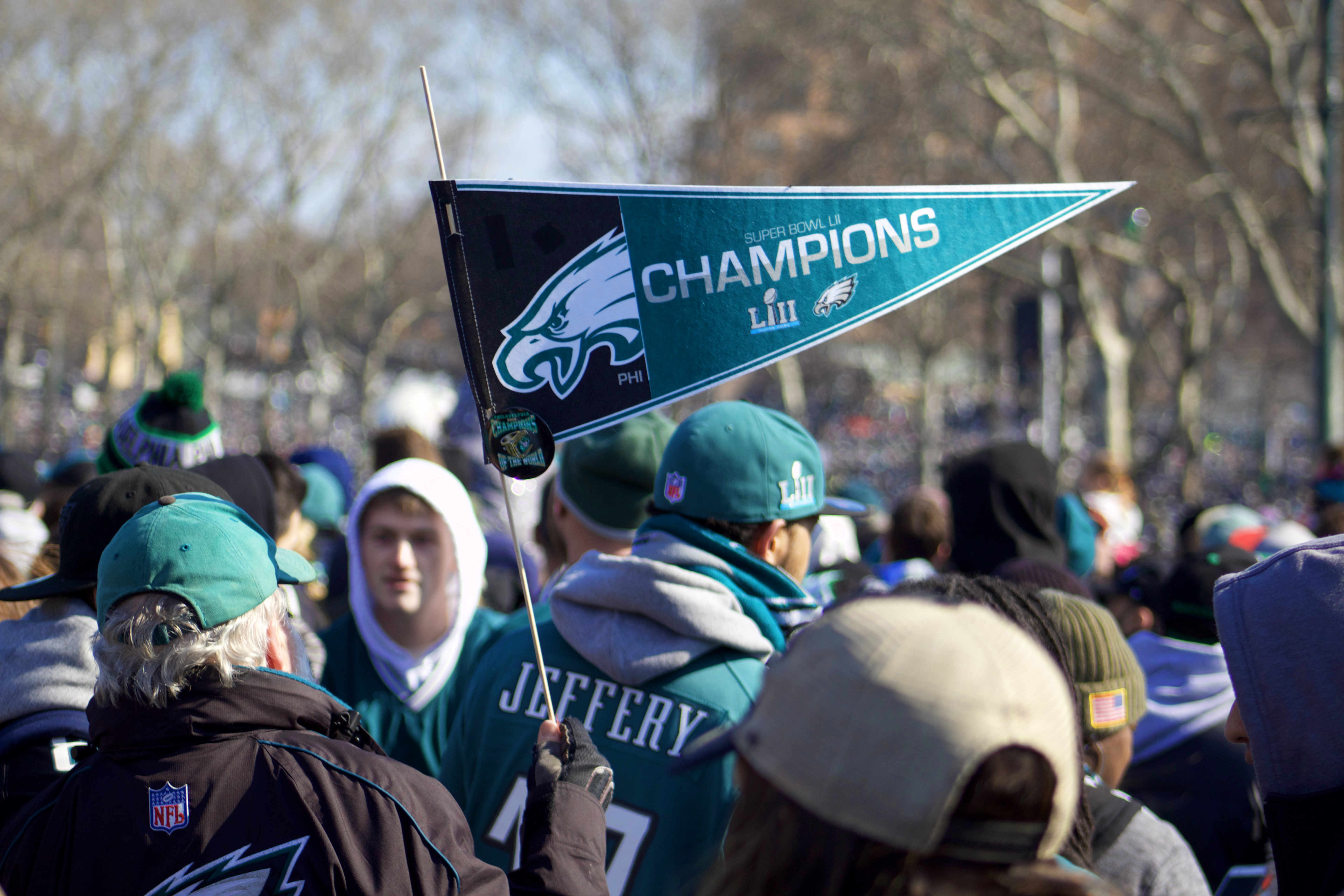
A Brief History of the Super Bowl
The Super Bowl, established in 1967, has evolved from a mere championship game into a significant cultural phenomenon. Initially part of the merger agreement between the National Football League (NFL) and the American Football League (AFL), the Super Bowl was designed to determine the ultimate champion between the two leagues. The inaugural game, Super Bowl I, took place on January 15, 1967, featuring the Green Bay Packers against the Kansas City Chiefs, setting the stage for future matchups.
As the years progressed, the Super Bowl became synonymous with not just football, but also grand entertainment and celebration. The event’s impact on popular culture became evident in the 1980s with the introduction of halftime shows featuring renowned artists. Notable performances by legends such as Michael Jackson and Beyoncé transformed the halftime segment from a brief intermission into a spectacle that attracts viewers regardless of their interest in the game.
Key moments have significantly shaped the Super Bowl, impacting both its sports and entertainment aspects. For instance, Super Bowl III in 1969 showcased one of the most iconic underdog stories in sports history when Joe Namath led the New York Jets to victory against the Baltimore Colts, defying expectations. In contrast, the 2016 matchup between the New England Patriots and the Atlanta Falcons became famous for the largest comeback in Super Bowl history, illustrating the suspense and excitement the event can generate.
Over the decades, the Super Bowl has grown into an annual celebration, drawing immense viewership and becoming a platform for major commercial advertisements, inventive marketing strategies, and a gathering point for fans to celebrate. Each year, it attracts audiences captivated by the combination of sportsmanship, entertainment, and community spirit. Today, the Super Bowl is not merely a game, but a phase of cultural reflection and entertainment that resonates across various demographics and has established itself as an integral part of American life.
Super Bowl Fun Facts and Trivia
The Super Bowl, an illustrious event in American sports culture, has generated an array of fun facts and trivia that many fans may find surprising. Since its inception in 1967, this championship game has not only determined the champion of the National Football League (NFL) but has also become a significant cultural phenomenon, drawing millions of viewers each year.
One noteworthy record is that the Super Bowl is consistently one of the most-watched television broadcasts in the United States. In fact, Super Bowl LI in 2017 drew over 113 million viewers, marking a new era in live television. The halftime show has also evolved into a spectacle in its own right, showcasing iconic performances, including those by the likes of Beyoncé, Prince, and more recently, The Weeknd.
Another fascinating aspect is the Super Bowl commercials, which have become a tradition of their own. Companies invest millions of dollars for just a few seconds of airtime, with some ads generating more buzz than the game itself. For instance, the “1984” Apple commercial is hailed as one of the greatest ads ever aired during the Super Bowl.
Additionally, the Super Bowl has fostered quirky statistics that intrigue fans. For instance, the Pittsburgh Steelers and New England Patriots are tied for the most Super Bowl victories, each with six championships. Meanwhile, the game has seen a multitude of memorable performances, including Joe Namath’s guarantee of victory in Super Bowl III, which forever changed how players approach the game.
The Super Bowl’s cultural impact extends beyond sports, influencing celebrations, food consumption, and even social gatherings. It is estimated that on Super Bowl Sunday, over 1.3 billion chicken wings are consumed, showcasing the event’s deep-rooted connection to food and festivity.
How to Host the Perfect Super Bowl Party
Hosting a Super Bowl party is an exciting opportunity to bring together friends and family, whether they are fervent football enthusiasts or casual viewers. To ensure your gathering is a resounding success, effective planning is key. Start by determining the size of your guest list and the space available in your home, which will inform your seating and food preparation needs.
When it comes to snacks and drinks, aim for a variety that caters to all tastes. Finger foods, such as chicken wings, sliders, nachos, and vegetable platters, are perennial favorites that encourage social interaction without disrupting the excitement of the game. Complementing your snacks with a selection of beverages, including sodas, beers, and signature cocktails, can elevate the experience. Additionally, consider dietary restrictions and include vegetarian or gluten-free options to accommodate all attendees.
Creating an engaging atmosphere is essential for a successful Super Bowl party. Use team colors or Super Bowl-related decorations to enhance the ambiance. Banners, tablecloths, and themed plates can create an inviting environment. For seating arrangements, ensure that everyone has a good view of the television, and consider adding cushions for extra comfort.
To boost the party experience, plan some game-day entertainment beyond just watching the match. This may include halftime bingo, commercials predictions, or even a friendly betting pool. Such activities can engage your guests further and foster a competitive spirit, catering to both die-hard fans and those more interested in socializing.
Remember to test your technology ahead of time, ensuring that the television and sound system are functioning smoothly. With the right preparation, your Super Bowl party can be an enjoyable and memorable event for all attending.
The Future of the Super Bowl: Trends and Predictions
The landscape of the Super Bowl and the NFL is evolving rapidly, driven by technological advancements, changing demographics, and shifting fan engagement strategies. One significant trend is the integration of technology within sports broadcasting. The use of augmented reality (AR) and virtual reality (VR) is becoming increasingly prevalent, providing fans with immersive viewing experiences. This technological shift is expected to enhance how viewers experience the game remotely. In the future, fans may engage with Super Bowl content in ways that were previously unimaginable, creating personalized and interactive viewing experiences.
Additionally, the NFL is actively striving to connect with younger audiences and a more diverse fan base. This might include adapting broadcasting methods to suit mobile platforms, as younger generations often prefer consuming content via smartphones rather than traditional cable. Social media will continue to play a vital role in fan engagement, and we can expect the Super Bowl to leverage these platforms to generate excitement and interactive content leading up to the event.
Another area of consideration is sustainability. As environmental concerns become increasingly prominent, the NFL is likely to implement greener practices in staging the Super Bowl. This includes efforts such as utilizing renewable energy sources for stadiums, reducing waste generated during events, and promoting environmentally friendly initiatives among fans. Such measures could help align the Super Bowl with evolving societal values, thereby enhancing its relevance and appeal to future audiences.
Experts also predict changes in the format of the game itself. Discussions around rule modifications aimed at increasing scoring, reducing game duration, and enhancing player safety are ongoing. These considerations will be pivotal in shaping future Super Bowl matchups. Overall, as we look to the future of the Super Bowl, it is clear that the event will continue to adapt to technological advancements, demographic shifts, and growing awareness of sustainability issues, ensuring its place as a cultural phenomenon for years to come.