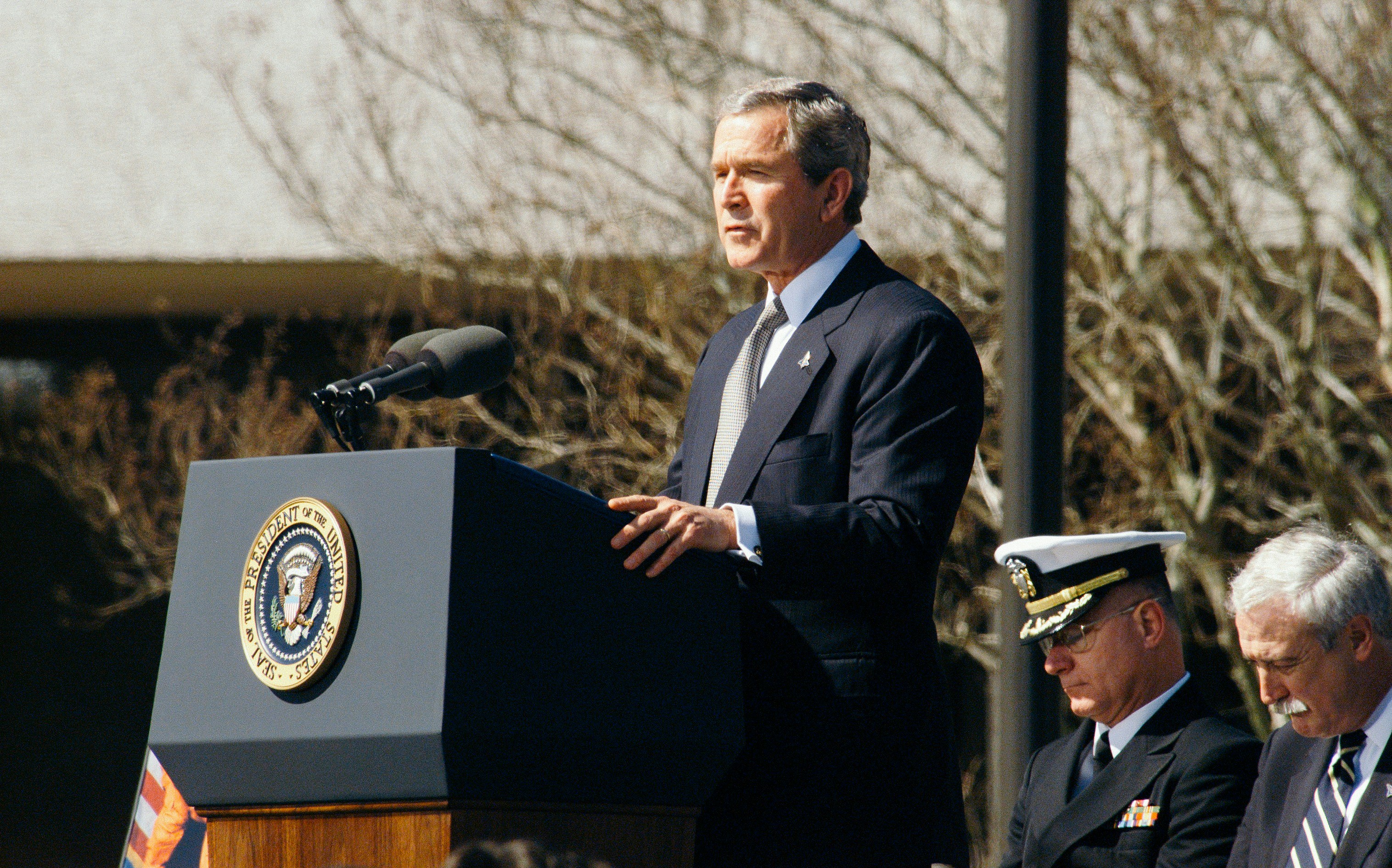
Introduction to the State of the Union Speech
The State of the Union (SOTU) speech is an essential component of American democratic traditions, delivered annually by the President of the United States to a joint session of Congress. This speech serves several fundamental purposes: it provides an overview of the country’s current state, outlines the president’s legislative agenda, and addresses key issues facing the nation. Historically, the origins of the State of the Union can be traced back to the U.S. Constitution, which mandates that the president must periodically inform Congress about the state of the union.
Over the years, the SOTU address has undergone significant transformations in both format and delivery. Initially, it was a written report, but it has evolved into a live address broadcast on television and online, allowing the president to reach millions of citizens directly. This shift reflects the changing dynamics of media and the increasing importance of public engagement in politics.
The significance of the State of the Union speech extends beyond mere tradition. It acts as a vital tool for the president to communicate policy priorities and rally support for specific legislative initiatives. By highlighting achievements and outlining future goals, the president aims to set the legislative agenda, influencing both public opinion and the actions of lawmakers. Furthermore, this annual address serves to unify the nation, fostering a sense of collective purpose among citizens.
In contemporary American politics, the SOTU speech holds considerable impact, as it can sway public perception and electoral outcomes. The way in which the president presents issues during the speech, including their tone and rhetoric, can inspire action or incite criticism. Thus, the State of the Union is not just a formality; it continues to be a pivotal moment in the political calendar, reflecting the president’s vision and the challenges faced by the nation.
Historical Background and Evolution
The State of the Union address, a fundamental aspect of American political tradition, finds its origins in the earliest days of the republic. Initially mandated by the Constitution, this annual communication between the President and Congress was designed to provide a comprehensive overview of the nation’s condition. George Washington delivered the first address in 1790, establishing a precedent that would evolve considerably over the years.
In the Constitution, Article II, Section 3 states that the President “shall from time to time give to the Congress Information of the State of the Union.” This clause reflects the founders’ vision of maintaining an informed legislature. For many years, this address was presented in written form, with Presidents like Thomas Jefferson opting not to present it in person, instead sending a written report to Congress. This practice persisted until Woodrow Wilson, in 1913, shifted the approach by delivering the address in person—a trend that continues today.
The frequency and format of the State of the Union have also changed over time. Initially, presidents delivered the address irregularly; however, it has now settled into an annual tradition, typically occurring in January or February. Technological advancements have transformed its presentation, moving from a written report to a televised event, allowing millions of Americans to engage with the speech directly. The visual component of these addresses has enhanced their impact, making them a key moment for political rhetoric and national discourse.
Throughout its history, the State of the Union address has reflected the political climate, issues of the day, and presidential priorities. Its evolution mirrors changes in American society and governance, underscoring the document’s significance as both a formal outline of policy and a symbolic platform for leadership.
Key Components of the SOTU Speech
The State of the Union (SOTU) speech serves as a pivotal occasion for the President of the United States to outline the legislative agenda, address pressing national issues, and highlight the administration’s significant achievements over the past year. Each SOTU is crafted to resonate with both Congress and the American public, utilizing a carefully structured format that often includes several key components.
One of the primary elements of the SOTU is the presentation of legislative priorities. During this segment, the president articulates the policy objectives they hope to advance in the upcoming legislative session. These priorities often reflect the administration’s values and respond to the most urgent needs of the nation, such as healthcare reform, economic recovery, or climate change action. By emphasizing specific goals, the president seeks to rally support from both chambers of Congress, encouraging bipartisan cooperation.
In addition to legislative priorities, SOTU speeches typically address significant national issues affecting the country. This can include discussions on security, education, and social justice. By tackling these pressing matters head-on, the president demonstrates a keen awareness of the challenges faced by the citizenry, thus reinforcing their leadership role. Furthermore, through storytelling and rhetorical techniques, presidents aim to engage the audience emotionally, drawing connections between policies and the everyday lives of Americans.
An essential component that cannot be overlooked is the recap of achievements made during the past year. By highlighting successes, the president not only bolsters public confidence but also provides a sense of continuity and progress. The speech often concludes with addressing challenges that lie ahead, presenting a vision for overcoming future obstacles. Ultimately, the use of compelling rhetoric and storytelling fosters a connection between the president and the American people, making the SOTU a vital moment in the political calendar.
The Role of the Audience
The State of the Union (SOTU) speech serves as a critical platform for the President to communicate with various audiences, each possessing distinct roles and expectations. Primarily, the address targets members of Congress, who play a vital role as lawmakers and gatekeepers of the President’s agenda. During this pivotal moment, Congress members react not only to the content of the speech but also to delivery styles and rhetorical strategies employed by the President. This audience is crucial because the support or pushback from legislators can significantly influence the feasibility of policy proposals mentioned in the address.
Another key audience is the American public, who interpret the SOTU speech through the lens of their personal experiences and societal concerns. The President aims to establish a connection with citizens, galvanizing support for potential legislation and initiatives. In this context, presidents often employ storytelling elements and relatable anecdotes to forge an emotional connection. The rhetoric is carefully crafted to resonate with voters of varying demographics, emphasizing shared values and aspirations.
Additionally, the media plays a critical role in shaping the narrative surrounding the speech. Journalists and commentators analyze and report on the key themes and messages conveyed, influencing public perception. The way media outlets frame the address can have lasting effects on how the President’s message is received and understood. Consequently, this prompts presidents to consider not only the content of their speeches but also how it will be interpreted and relayed to the broader public.
In response to the diverse needs and expectations of these audiences, presidents often adapt their speeches to ensure effective communication. This strategic tailoring seeks to unify Congress, appeal to the public, and gain favorable media attention, underscoring the multifaceted role of the audience in the State of the Union address.
Impact on Public Opinion and Lawmaking
The State of the Union (SOTU) address plays a crucial role in shaping public opinion and influencing legislative actions. Historically, this annual address has been one of the most significant vehicles through which the sitting President communicates their policy objectives, motivations, and vision for the nation. By directly addressing the public and Congress, the President can rally support for proposed legislation and set the national agenda.
One notable example is President Lyndon B. Johnson’s SOTU in 1965, where he introduced his vision for the Great Society. This address not only elevated public consciousness regarding social issues like civil rights and poverty alleviation but also galvanized significant legislative action, leading to landmark laws such as the Voting Rights Act. These moments illustrate the power of presidential rhetoric; a well-delivered address can shift public sentiment and compel lawmakers to act.
Similarly, President Barack Obama’s 2010 State of the Union speech significantly impacted the narrative surrounding healthcare reform. By passionately advocating for the Affordable Care Act, he succeeded in swaying public opinion and laid the groundwork for its eventual passage, demonstrating how the SOTU can serve as a catalyst for major policy changes.
The impact of the State of the Union is not limited to immediate policy debates; it can also influence the long-term political landscape. For instance, speeches that resonate with the public often reflect in shifts in polling data, often start conversations and considerations within both parties. Politicians pay close attention to these addresses for cues on the electorate’s mood, making the SOTU a barometer of public sentiment. Thus, the effectiveness of a SOTU address can significantly affect legislative outcomes and public policy direction, reinforcing the crucial link between presidential rhetoric and political action.
Reactions and Responses
The immediate aftermath of a State of the Union address typically elicits a widespread range of reactions from various stakeholders, significantly influencing the narrative surrounding the speech. Opposing political parties often seize the opportunity to provide counterarguments and critiques, thereby setting the stage for the ensuing political discourse. Frequently, leaders from the opposition party deliver rebuttals shortly after the official address, aiming to highlight perceived weaknesses or failures while presenting alternative visions. These responses tend to garner considerable media coverage and serve to present contrasting viewpoints to the electorate, underscoring the contentious nature of the political landscape surrounding such events.
Pundits and analysts also play a crucial role in the public reception of the State of the Union speech. In the hours and days following the address, these commentators dissect the various elements presented, analyzing not just the content but also the delivery and reception of the speech. Their evaluations can deeply influence public perception, as individuals often rely on expert interpretations to form their own opinions. The commentary can range from enthusiastic support to harsh criticism, with particular attention given to specific policies, tonal shifts, and any notable moments during the address. The perspectives offered by pundits contribute to a broader discourse, shaping the audience’s understanding and interpretation of the President’s message.
The media plays a pivotal role in framing the State of the Union’s impact through its reporting and editorial choices. News outlets are tasked with summarizing the key points, often emphasizing aspects that resonate with their audiences or align with their editorial stance. How these narratives are crafted and disseminated can sway public opinion and influence subsequent discussions in political, social, and even business contexts. In this way, the reactions from political opponents, analysts, and the media collectively create a multi-faceted understanding of the significance and implications of the annual address.
The State of the Union and Media Coverage
The State of the Union address is not merely a speech delivered by the President of the United States. It is a critical event that is heavily monitored and extensively analyzed by the media. The role of the press in framing the address significantly influences public perception, making it essential to understand how media coverage shapes the narrative surrounding this yearly event.
From the moment the President begins to speak, major news networks provide live coverage, allowing audiences across the nation to engage with the address in real-time. This live broadcast experience fosters immediate reactions and provides the public with access to the speech as it unfolds. Such direct coverage serves as a platform for the interpretation and dissemination of information, often accompanied by instant commentary from political analysts and experts.
In addition to real-time reporting, the media plays the pivotal role of fact-checking the statements made during the address. This scrutiny is crucial in maintaining a transparent democracy, as it holds the executive accountable for any misinformation. Various news outlets have dedicated teams for verifying claims made during the speech, often resulting in a clearer understanding of the content presented, as well as highlighting discrepancies or overstatements. The impact of these analyses can affect how the speech is received by the public and the political landscape.
Furthermore, digital platforms and social media have transformed the traditional approach to covering the State of the Union. Microblogging sites enable swift dissemination of quotes and highlights, creating a space for public discourse that extends beyond television viewers. Social media also fosters a more interactive experience, allowing citizens to engage directly with their representatives and share their opinions in real-time. This new trend in media coverage illustrates the evolving landscape of political communication, where the State of the Union address becomes a multifaceted experience shaped by various forms of media.
The State of the Union (SOTU) address, while historically significant, faces numerous challenges and criticisms in its current format. One major concern is the increasing partisanship that has permeated the speech, undermining its original purpose of unifying the nation. In recent years, the SOTU has often devolved into a platform for political posturing rather than a genuine opportunity for the president to present a vision for the country’s future. The theatrical displays of agreement or discontent among lawmakers frequently overshadow the policy messages intended to inform and inspire the public.
Moreover, the SOTU speech’s effectiveness is called into question within the context of a polarized political environment. Audience members within the chamber, consisting of both supporters and opponents, frequently respond with emotional displays that can detract from the speech’s content. An environment where clapping and jeering can disrupt the flow of dialogue may limit the impact of the president’s remarks. As a result, the intended messages about unity and progress can become lost in the charged atmosphere, leaving many citizens feeling disconnected from the address.
Several alternatives to the conventional SOTU format have been proposed to address these issues. Suggestions include smaller, issue-specific addresses that focus on key topics relevant to the public and evoke dialogue and solution-oriented discussions. Alternatively, some have called for more digital engagement, allowing for a two-way communication channel that might effectively reach a broader audience. In this regard, employing social media platforms for direct communication could bridge the gap between the presidency and the populace. As criticism of the current State of the Union format continues, it remains essential to explore innovative methods of delivering presidential messages that prioritize clarity and effective communication over partisanship.
Conclusion and Future of the State of the Union Address
The State of the Union Address (SOTU) has long served as a critical platform for the President to outline their vision for the country, reflect on achievements, and propose future initiatives. Throughout its history, it has been an essential tool for transparency and communication, fostering a direct link between the President and the American public. This address not only provides insight into the administration’s priorities but also serves as a barometer for the political climate of the nation. As we have explored, the significance of the SOTU extends beyond mere rhetoric; it plays a vital role in shaping national discourse and influencing policy agendas.
As we look to the future, it is imperative to consider how this historic address may evolve in response to changing political dynamics and advancements in communication technologies. With the rise of social media and instant news coverage, the traditional format of the SOTU may adapt to ensure it remains relevant and engaging to contemporary audiences. Live-streaming and interactive platforms could enhance the accessibility of the address, enabling a broader demographic to participate in the discussion. Furthermore, the content of the speech may increasingly reflect diverse perspectives to resonate with an ever-changing electorate.
Considering these factors, the future of the State of the Union Address appears poised for transformation. As societal values and political landscapes shift, the SOTU must navigate these changes effectively. By fostering increased engagement and adapting its delivery methods, this important institution can continue to function as a crucial pillar of American democracy. Ultimately, the State of the Union Address will remain significant, signaling not only the aspirations of the current administration but also the enduring heartbeat of the nation and its citizens’ collective hopes and concerns.